
The Anti-Space Space Club.
How NASA became fixated on decolonialism and DEIA
On a sunny day in 2023, aerospace engineers arrived at NASA headquarters in Washington for a mandatory “space ethics” workshop. According to NASA policy, the most important thing for these engineers to learn was decolonial activism and DEIA (Diversity, Equity, Inclusion, And Accessibility) in space. That workshop is cited in NASA’s Mars policies to this day.
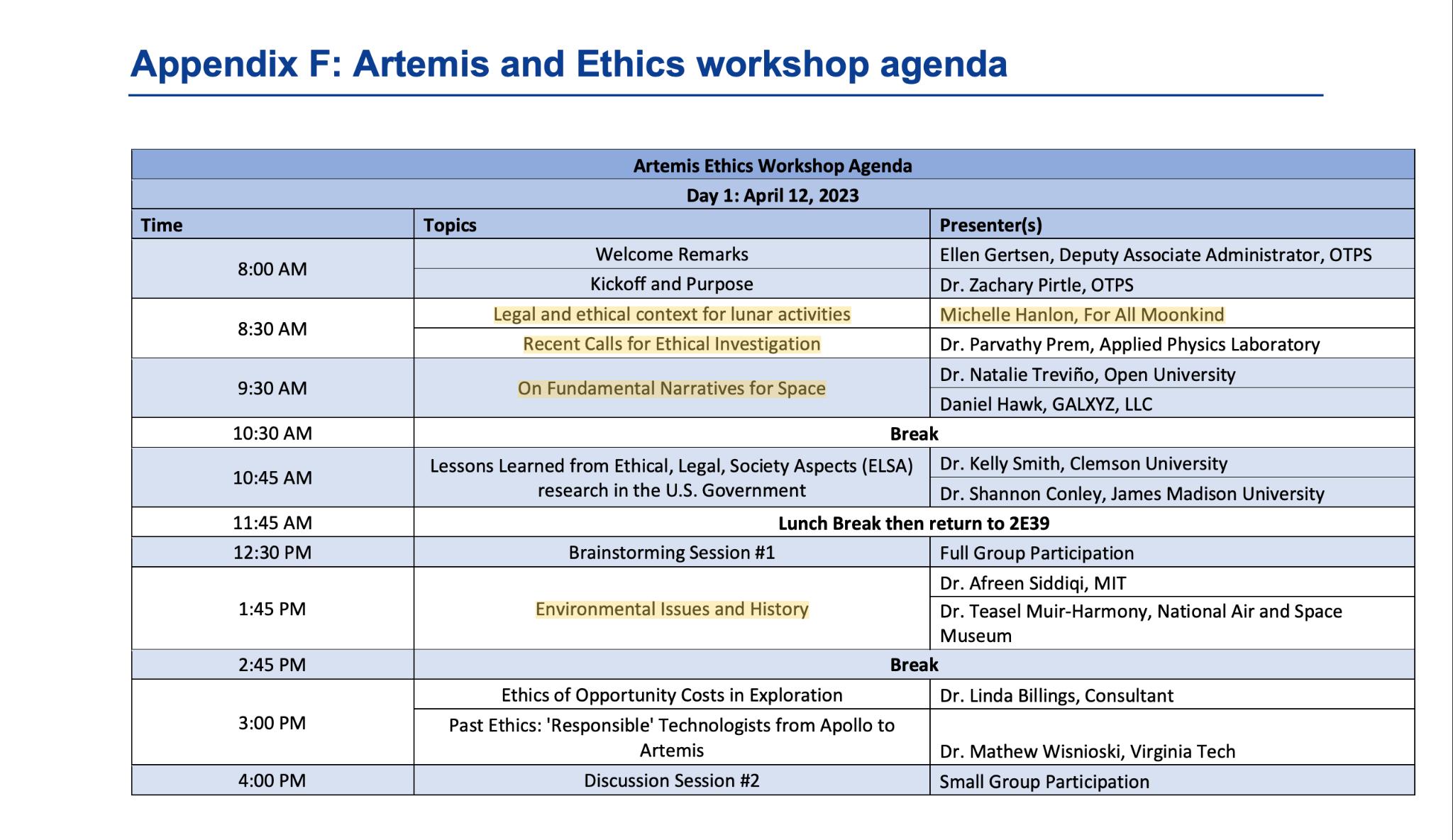
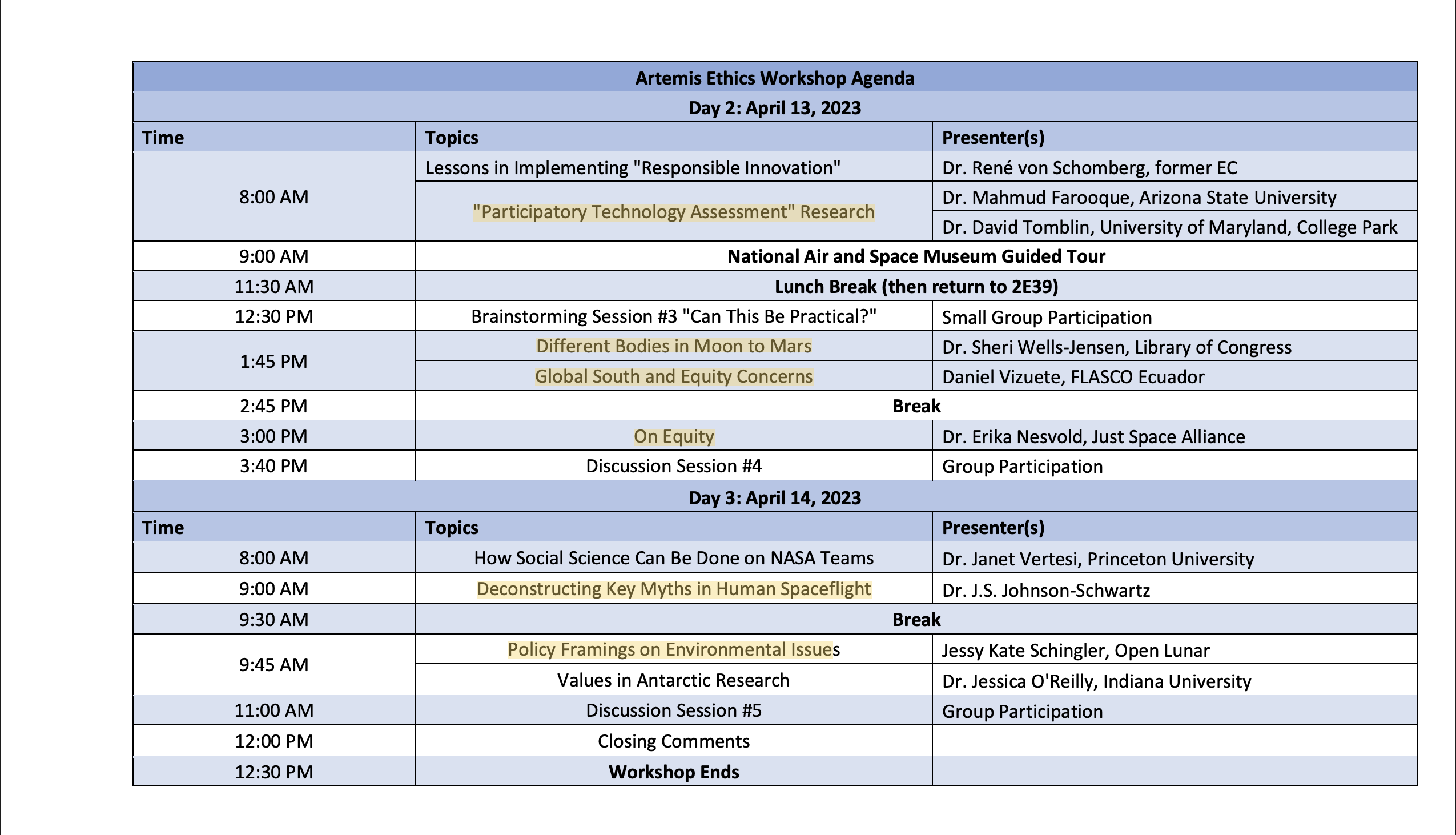
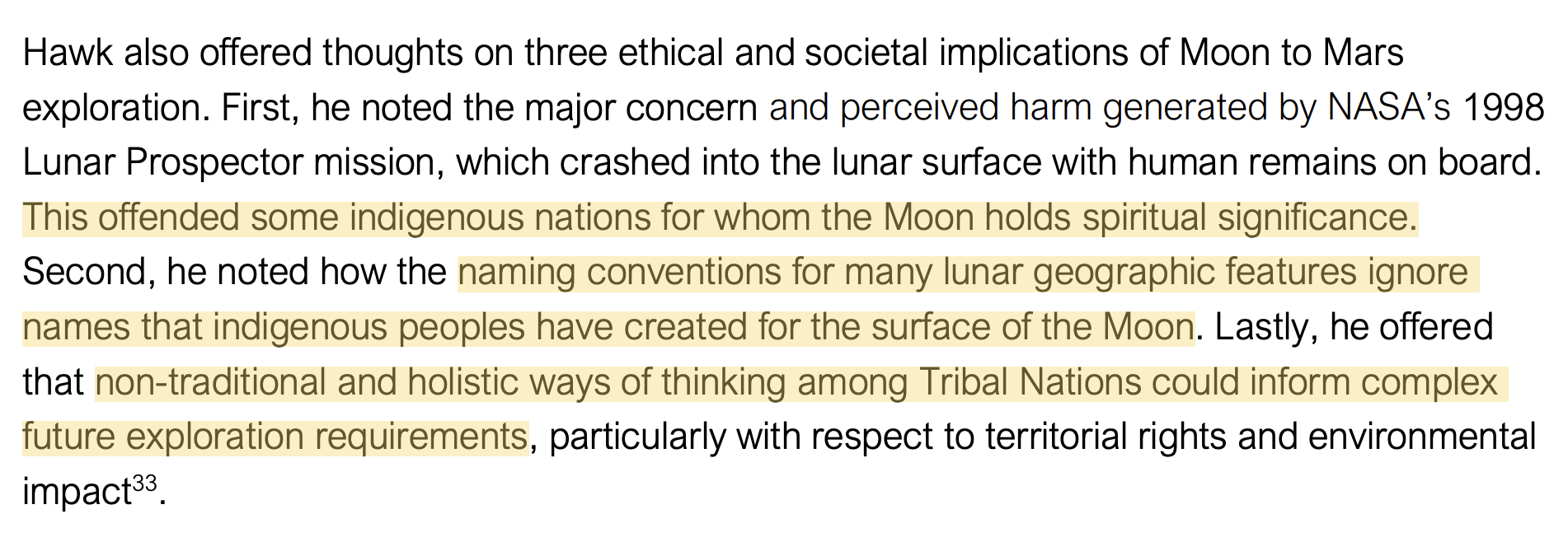
The workshop emphasized decolonialism, a political ideology centered around the belief that Western 'colonial' countries are inherently evil, with particular antagonism towards Israel. One speaker claimed Indigenous Tribes were “offended” by a 1998 mission sending human remains to the moon. NASA promised to consult indigenous leaders about future missions.1
Next, a “disability and space” expert, Sheri Wells-Jensen, “challenged the audience to consider that including disabled populations in space exploration is not a purely medical issue but also an engineering, policy, budgetary and moral issue,” according to NASA’s report. It adds: “She argued that not embracing disabled astronauts in humanity’s long-term future on the Moon and Mars would be a moral failing.”
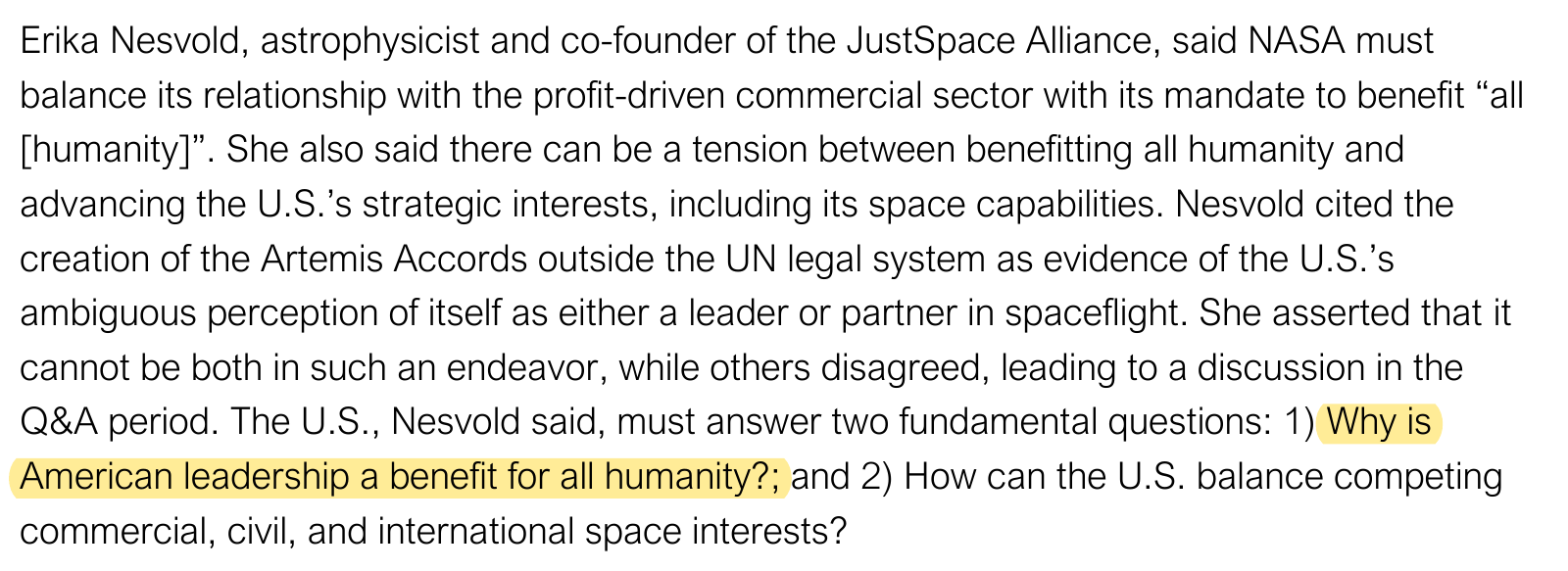
That same day, the founder of JustSpace Alliance questioned whether the US should have a leadership role in space. “Why is American leadership a benefit for all humanity?”
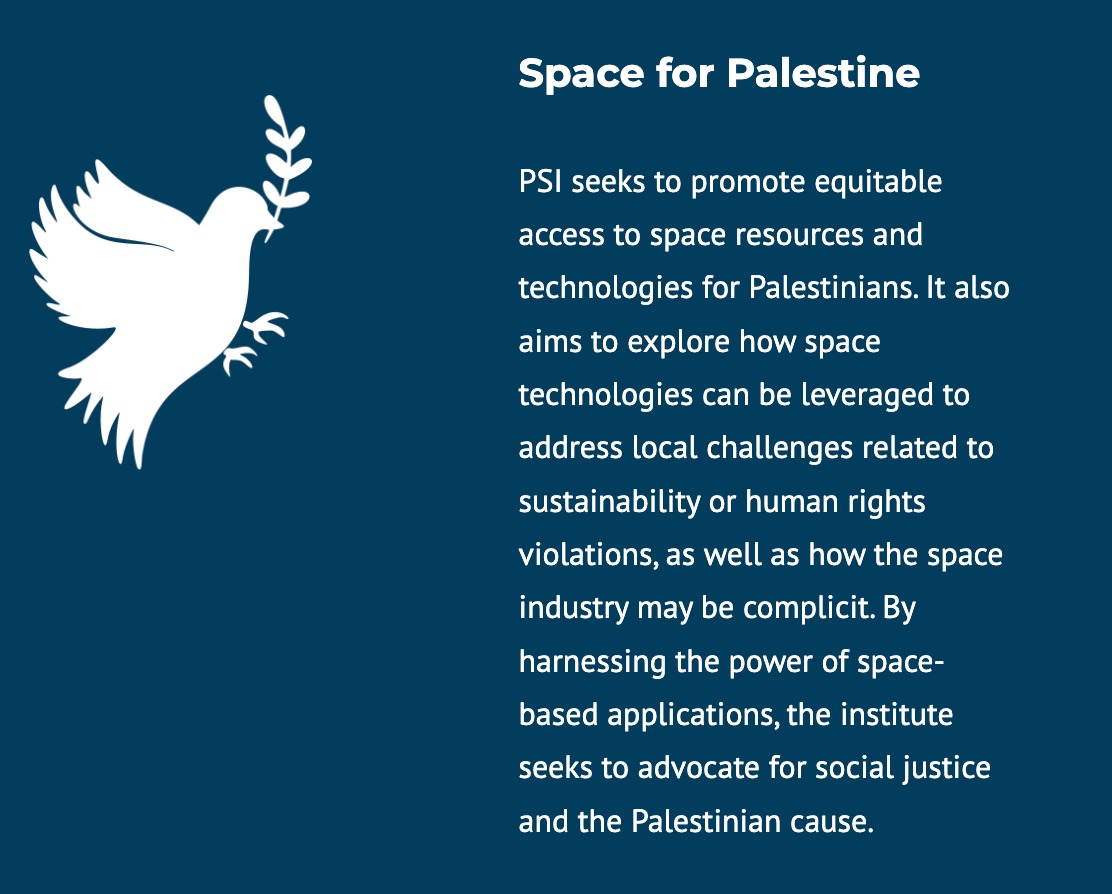
In their October 2024 newsletter, JustSpace Alliance promoted their affiliated organization, the Palestine Space Institute. It encouraged boycotts, divestment and sanctions (BDS), and urged people in space-related fields to challenge ties to companies associated with Israel.2
NASA’s decolonial activism pipeline has been active since 2020. NASA’s speakers and invited guests included Parvathy Prem, Natalie Treviño and Frank Tavares. Their 2020 proposal “Ethical Exploration and the Role of Planetary Protection in Disrupting Colonial Practices” urged NASA to make anti-colonial practices central to their work. Prem and Trevino led workshops in the 2023 training. NASA’s report says Treviño described the Artemis Accords as promoting “colonialist values under a peaceful narrative.”

The trio have a long history of collaboration.3 In April 2024, Tavares, Prem and eight coauthors called for Indigenous partnership in the return to the Moon. Their letter requesting NASA consult Indigenous communities in exploration planning made its way into a Office of Tribal Relations proposal.4
- Tavares · Prem · TreviñoCoauthors of the anti-colonial planetary-protection proposal. Source
- Tavares · Prem · TreviñoTavares helps organize MIT’s “Indigenous & Anticolonial Views of Human Activity in Space” workshop; Prem and Treviño co-lead separate sessions. Source
- Tavares · PremCoauthors of the Indigenous-partnership call directed at NASA. Source
- Tavares · TreviñoCoauthors of an accepted conference contribution on anti-imperial approaches to space. Source
- Prem · SiddiqiCo-investigator and principal investigator on NASA-funded lunar-sustainability research. Source
After retiring the shuttle fleet in 2011, the agency relied on Russian Soyuz spacecraft to fly its astronauts to the space station until SpaceX’s first crewed launch in 2020.5 NASA's Space Launch System rocket, scheduled to make its first flight in 2017, did not launch until November 2022.6
US Government Falls Behind on Lunar Missions
In October 2023, SpaceX told the Senate that getting Starship’s first launch license had taken nearly three years, calling the delays “untenable.” SpaceX was running into regulatory hurdles. In September 2024, the FAA proposed $633,009 in penalties for alleged license violations. The FAA held up SpaceX's next launch due to an expanded environmental review, but ultimately cleared the mission.8
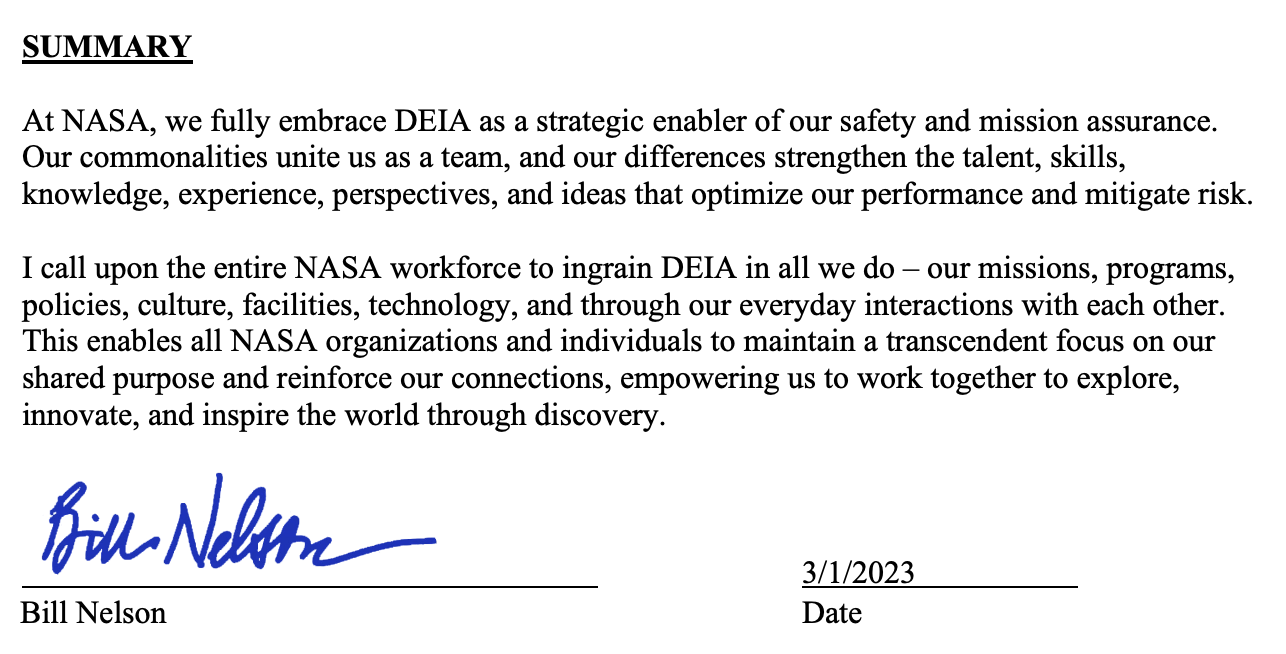
Former NASA administrator Bill Nelson expanded the scope of DEI initiatives in 2023. “To be successful in our missions, diversity, equity, inclusion, and accessibility must continue to be at the forefront.”9
In January 2025, NASA ordered contractors and grantees to stop DEIA activities.10 At least one of the activist scientists remains in NASA’s orbit in 2026. In a March 2026 presentation, Prem cited Apollo-era exhaust measurements to call for broader monitoring of human impacts on the Moon.11
- Anti-colonial planetary protectionTavares, Prem, Treviño and coauthors propose anti-colonial practices. Source
- NASA holds the ethics workshopParticipants discuss the ethical and societal implications of Moon-to-Mars exploration. Source
- A Tribal Relations office is proposedNASA’s advisory committee hears the working group’s recommendation. Source
- The workshop remains citedNASA’s Moon-to-Mars architecture retains the workshop reference. Source
- Prem calls for lunar monitoringHer National Academies presentation cites Apollo-era exhaust measurements. Source
Footnotes
NASA, workshop report, 2023, pp. 5, 34. Lunar Prospector mission history: launched in 1998; impacted the Moon in 1999.
JustSpace Alliance, October newsletter, October 22, 2024, “Take Action.” AJ Link’s biography identifies him as a JustSpace board member and Palestine Space Institute cofounder.
MIT, Indigenous & Anticolonial Views of Human Activity in Space, December 3, 2021, organizers and session facilitators; Tavares et al., Indigenous partnership letter, April 11, 2024.
Working-group proposal, recommendation 5; NASA, Planetary Science Advisory Committee minutes, July 2024, pp. 13, 32.
NASA Inspector General, crew-transport audit, November 14, 2019, p. 1; NASA, SpaceX crewed launch, May 30, 2020.
NASA, SLS schedule, August 1, 2013; Artemis I timeline, November 16, 2022 launch.
Government Lunar Missions: the number of successful, state-led missions launched in each of four ten-year periods: 1986–1995, 1996–2005, 2006–2015, and 2016–2025. Only successful, state-led missions count. Europe (ESA) and South Korea, with one qualifying mission each (SMART-1 and Danuri), are excluded from the graph and listed in the table. Privately operated missions, including those launched by SpaceX, are excluded even when NASA funded them. SpaceX provided launch services; the mission operators are listed in the table. Government-led missions launched on commercial rockets remain eligible. Each primary mission launch counts once per country and rocket flight; companion spacecraft count together. Orbiters, flybys, landers, sample-return missions, and lunar relay/orbit demonstrations qualify. Years indicate launch, rather than arrival. Chandrayaan-2 counts for its successful orbiter; its lander failed. SLIM counts for its successful soft landing despite limited solar power. DRO-A/B counts after recovery into its intended orbit. NASA mission catalog; Chandrayaan-2 outcome; DRO-A/B outcome; Intuitive Machines mission and SpaceX launch roles.
Mission CSV · Data and methodology
Year Country Mission / operator Graph inclusion 1990 Japan Hiten
ISASCounted 1994 United States Clementine
U.S. Department of Defense / NASACounted 1998 United States Lunar Prospector
NASACounted 2003 Europe (ESA) SMART-1
ESAExcluded: one-mission program 2007 Japan Kaguya (SELENE)
JAXACounted 2007 China Chang’e 1
CNSACounted 2008 India Chandrayaan-1
ISROCounted 2009 United States LRO / LCROSS
NASACounted 2010 China Chang’e 2
CNSACounted 2011 United States GRAIL
NASACounted 2013 United States LADEE
NASACounted 2013 China Chang’e 3 / Yutu
CNSACounted 2014 China Chang’e 5-T1
CNSACounted 2018 China Queqiao
CNSACounted 2018 China Chang’e 4 / Yutu 2
CNSACounted 2019 Israel Beresheet
SpaceIL / Israel Aerospace Industries
Failed lunar landing.Excluded: privately operated 2019 India Chandrayaan-2
ISRO
Orbiter succeeded; lander failed.Counted 2020 China Chang’e 5
CNSACounted 2022 United States CAPSTONE
Advanced Space, for NASAExcluded: privately operated 2022 South Korea Danuri
KARIExcluded: one-mission program 2022 United States Artemis I
NASACounted 2022 Japan HAKUTO-R Mission 1
ispace
Failed lunar landing.Excluded: privately operated 2023 India Chandrayaan-3
ISROCounted 2023 Russia Luna 25
Roscosmos
Failed lunar landing mission.Excluded: unsuccessful 2023 Japan SLIM
JAXA
Soft-landed with limited solar power.Counted 2024 United States Peregrine Mission 1
Astrobotic, NASA CLPS
Failed to reach the Moon.Excluded: privately operated 2024 United States IM-1 / Odysseus
Intuitive Machines, NASA CLPS
Soft-landed and returned science data despite tipping over.Excluded: privately operated 2024 China DRO-A / DRO-B
Chinese Academy of Sciences
Recovered into the intended lunar distant retrograde orbit after an initial launch anomaly.Counted 2024 China Queqiao-2 / Tiandu
CNSACounted 2024 China Chang’e 6
CNSACounted 2025 United States Blue Ghost Mission 1
Firefly Aerospace, NASA CLPSExcluded: privately operated 2025 Japan RESILIENCE / HAKUTO-R Mission 2
ispace
Failed lunar landing; mission ended after contact was lost.Excluded: privately operated 2025 United States IM-2 / Athena
Intuitive Machines, NASA CLPS
Landed on its side; primary surface operations failed. Returned limited data before its early end.Excluded: privately operated William Gerstenmaier, Senate testimony, October 18, 2023, pp. 5–6. FAA, proposed SpaceX penalties, September 17, 2024. FAA, September 12, 2024 statement; written answers to Congress, pp. 55–56, confirming October 12 authorization.
NASA, Nelson statement, March 27, 2023, announcing NASA’s first diversity ambassador; DEIA policy statement, signed March 1, 2023, p. 4.
NASA, DEIA memorandum, January 23, 2025, p. 1. Applies to DEIA activities required by NASA contracts and grants.
Prem, Understanding the Impact of Exploration on the Lunar Volatile System, March 25, 2026, slides 2–6 (exhaust and monitoring), 8 (NASA support); meeting agenda, p. 2.
Download the article source ledger, policy matrix and personnel records.
Moon image: NASA/Goddard Space Flight Center/Arizona State University.